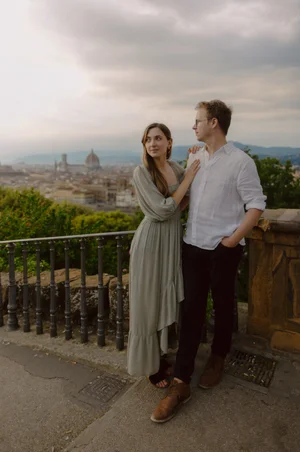
The Complete Wedding Day Timeline Guide for Toronto Couples

Last Updated: June 2026 | Written by Anika Kitchen, Ontario Wedding Photographer
After photographing weddings across Toronto and Southern Ontario for nearly a decade, I can tell you the single biggest factor in a relaxed, unrushed wedding day isn't the venue, the vendors, or the budget. It's the timeline.
A well-built timeline means you actually get to eat your dinner, take in your first dance without watching the clock, and enjoy cocktail hour instead of disappearing for forty-five minutes of forced portraits. A poorly built one means rushing through golden hour, missing half your cocktail hour doing family photos, or starting speeches an hour late because nobody planned for hair and makeup running over.
This guide walks through a realistic Toronto wedding day timeline, hour by hour, with the actual time blocks I use when planning with my own couples. Toronto-specific factors like venue travel time, seasonal light changes, and downtown traffic all play into it, so I've built this around what actually works in this city specifically, not a generic template.
Table of Contents
Step 1: Choosing Your Ceremony Time
Before anything else gets scheduled, your ceremony time anchors the entire day. In Toronto, the right ceremony time shifts with the season because it's really about working backward from the light.
Winter weddings (November to February): Ceremony around 12:00 to 2:00pm. Daylight is short and golden hour arrives early, often before 4:30pm, so an early ceremony protects your portrait window.
Spring and fall weddings (March to May, September to October): Ceremony around 2:00 to 4:00pm. This gives you a buffer for family and wedding party photos before the light starts to shift, with golden hour landing comfortably in the 6:00 to 7:30pm range.
Summer weddings (June to August): Ceremony around 3:00 to 4:30pm. Toronto summer light is generous, golden hour often doesn't hit until 8:00 or even 8:30pm, so a later ceremony actually works in your favour here.
If your hotel or getting-ready location is downtown and your venue is outside the core (a winery in Niagara, a farm near Hamilton), build in real travel time. Toronto traffic on a Saturday afternoon is not a small variable. I always ask couples to add 30 minutes of buffer beyond what Google Maps tells you.
Step 2: The Getting Ready Window
Getting-ready photos typically take 30 to 60 minutes for grooms and about 90 minutes for brides, factoring in hair, makeup, and the actual photography time.
Hair and makeup for the bride usually runs about an hour, slightly less for each member of the bridal party. I recommend arriving while the bride's hair and makeup is being finished, this captures the natural anticipation building in the room without adding unnecessary waiting time to your schedule.
By the time the bride is fully ready, your bridal party and any VIP family members should already be dressed. This way everyone is naturally present in the background of those getting-ready photos rather than rushing in afterward.
A few things that genuinely help this part of the day run smoothly: music playing in the room, a glass of something sparkling, and resisting the urge to check the time every five minutes. The more relaxed this window feels, the better your photos from it will look.
Step 3: First Look or No First Look
This is one of the most consequential decisions in your whole timeline, and there's no universally right answer.
A first look typically takes about 30 minutes and gives you a private, often emotional moment together before the ceremony begins. It also means you can split your couple portraits before and after the ceremony, which frees up your cocktail hour to actually be enjoyed rather than spent taking photos.
No first look means you see each other for the very first time walking down the aisle, which many couples describe as one of the most powerful moments of their day. This approach means more of your photo time happens after the ceremony, so your cocktail hour will be shorter or your reception start time will need to shift slightly later.
Neither choice is better. It depends entirely on what kind of moment you want and how you feel about your guests waiting an extra 30 to 45 minutes during cocktail hour for portraits.
Step 4: Ceremony
Build in a spare 30-minute window before your ceremony begins. This isn't wasted time, it's insurance against the small things that always come up: a missing boutonniere, last-minute hair touch-ups, or just a moment to breathe before you walk out.
Most ceremonies in Toronto run 20 to 40 minutes depending on whether there are readings, religious or cultural rituals, or a longer officiant address. Block 1 to 1.5 hours total for the ceremony window including guest seating and the walk back up the aisle.
Step 5: Family Photos
Immediately after the ceremony, have your officiant or coordinator make an announcement asking family to stay in place for group photos. This single habit saves more time than almost anything else on this list, once family members scatter to find drinks or bathrooms, gathering them again takes three times as long.
Plan for 30 to 60 minutes depending on family size and how many combinations you need. The best location is almost always right where the ceremony just happened, since everyone is already there and dressed appropriately.
Build a written shot list with names, not just relationships. "Photos with parents," "parents and siblings," "siblings only," "grandparents," and "entire family" are the standard categories, but having actual names attached means we move through the list efficiently instead of standing around asking "who else needs to be in this one?"
Designate one person per side of the family whose only job is wrangling people into position. This alone can cut your family photo time by 15 to 20 minutes.
Step 6: Wedding Party Photos
Budget around 30 minutes for wedding party portraits. This is the part of the day to actually have fun, bring a prop, crack a joke, let the energy be a little loose rather than stiff and posed.
Standard combinations include the full wedding party together, groom with groomsmen, bride with bridesmaids, bride with each bridesmaid individually, bride with groomsmen, and groom with bridesmaids. You don't need every single combination, pick the ones that matter to you and let the rest go.
Step 7: Cocktail Hour
Cocktail hour typically runs 1 to 2 hours, and this is genuinely your time to enjoy, not disappear for more photos.
If you did a first look, this is where that decision pays off, your formal portraits are likely already done, leaving you free to actually mingle with guests, eat the appetizers you paid for, and enjoy a drink before the reception begins.
If you skipped the first look, expect to spend the first 30 to 45 minutes of cocktail hour finishing couple and family portraits before joining your guests for what's left of it.
Step 8: Reception
We typically photograph the first 3 to 5 hours of the reception, covering entrance, dinner, speeches, first dance, and dancing. A few things I always recommend based on what consistently works best:
Time your first dance either right after your entrance or right before cake cutting. Both work well, but doing it later in the night after a few hours of dancing tends to lose energy rather than build it.
Feed your vendors when you eat. Your photographer, videographer, DJ, and other vendors should be served at the same time as you and your partner. This means we're ready to capture your reaction the moment dinner service starts, rather than missing it because we're still waiting on our own plates.
Schedule speeches before dessert, not during dinner. Nobody wants to give a heartfelt toast over the sound of cutlery on plates, and guests miss half the speech because they're mid-bite. Speeches land best in that window after the main course but before cake.
Block 15 minutes for sunset photos. This is genuinely one of the easiest wins in your entire timeline. Fifteen minutes outside during golden hour produces some of the most beautiful images of the whole day, and it barely disrupts the reception flow.
Get everyone on the dance floor with a group photo first. Ask your DJ to call everyone onto the floor for one big group shot, then kick the music straight into something high energy. This single trick gets the dance floor moving faster than almost anything else. Budget about 30 minutes of dedicated dance floor coverage to capture the real energy of the night.
Sample Full-Day Timeline
Here's how this looks pulled together for a popular 4:00pm ceremony with a first look, one of the most common timelines we build for our couples.
1:30pm — Photography coverage begins, getting ready
2:00pm — Getting dressed, final touches
2:30pm — First look and couple portraits
3:15pm — Wedding party portraits
3:50pm — Buffer time, freshen up
4:00pm — Ceremony
4:45pm — Family photos
5:15pm — Cocktail hour begins
6:15pm — Reception entrance and dinner
7:30pm — Speeches
8:00pm — Sunset photos (15 minutes)
8:15pm — Cake cutting
8:30pm — First dance and open dancing
9:30pm — Photography coverage wraps
Shift this earlier by about 1.5 to 2 hours for a winter wedding, and shift the ceremony slightly later for a peak summer wedding with a very late sunset.
Frequently Asked Questions About Wedding Day Timelines
How long should a wedding photography timeline be?
Most full wedding day coverage runs 8 to 10 hours, covering everything from getting ready through the first hour or two of open dancing. Shorter collections (6 to 8 hours) usually start from the ceremony rather than getting ready, and skip the very end of the reception.
What time should our ceremony start for the best photos?
It depends on the season. Winter ceremonies work best around 12:00 to 2:00pm, spring and fall around 2:00 to 4:00pm, and summer around 3:00 to 4:30pm. The goal is always to leave enough daylight after the ceremony for portraits and golden hour photos before the sun sets.
Should we do a first look
A first look gives you a private, often emotional moment together and frees up your cocktail hour since most portraits are already done. Skipping it means a more traditional reveal at the ceremony but less personal time for the two of you before the day gets busy. Both are genuinely good choices, it comes down to what feels right for you as a couple.
How much time should we budget for family photos?
Plan for 30 to 60 minutes depending on family size. Having a written shot list with names and a designated family member to help gather people speeds this up significantly.
Do we need to do sunset photos?
You don't need to, but I'd gently push back if you're considering skipping it. Fifteen minutes during golden hour produces some of the most beautiful images of the entire day, and it barely interrupts your reception. It's one of the easiest high-value additions to any timeline.
How far in advance should we plan our wedding timeline?
I usually build the detailed timeline with couples about 6 to 8 weeks before the wedding, once the ceremony time, vendor details, and venue logistics are confirmed. If you're working with Amare Studios, timeline planning support is included in every collection. Get in touch here if you'd like help building yours. 🫶🏼
More about Amare Studios
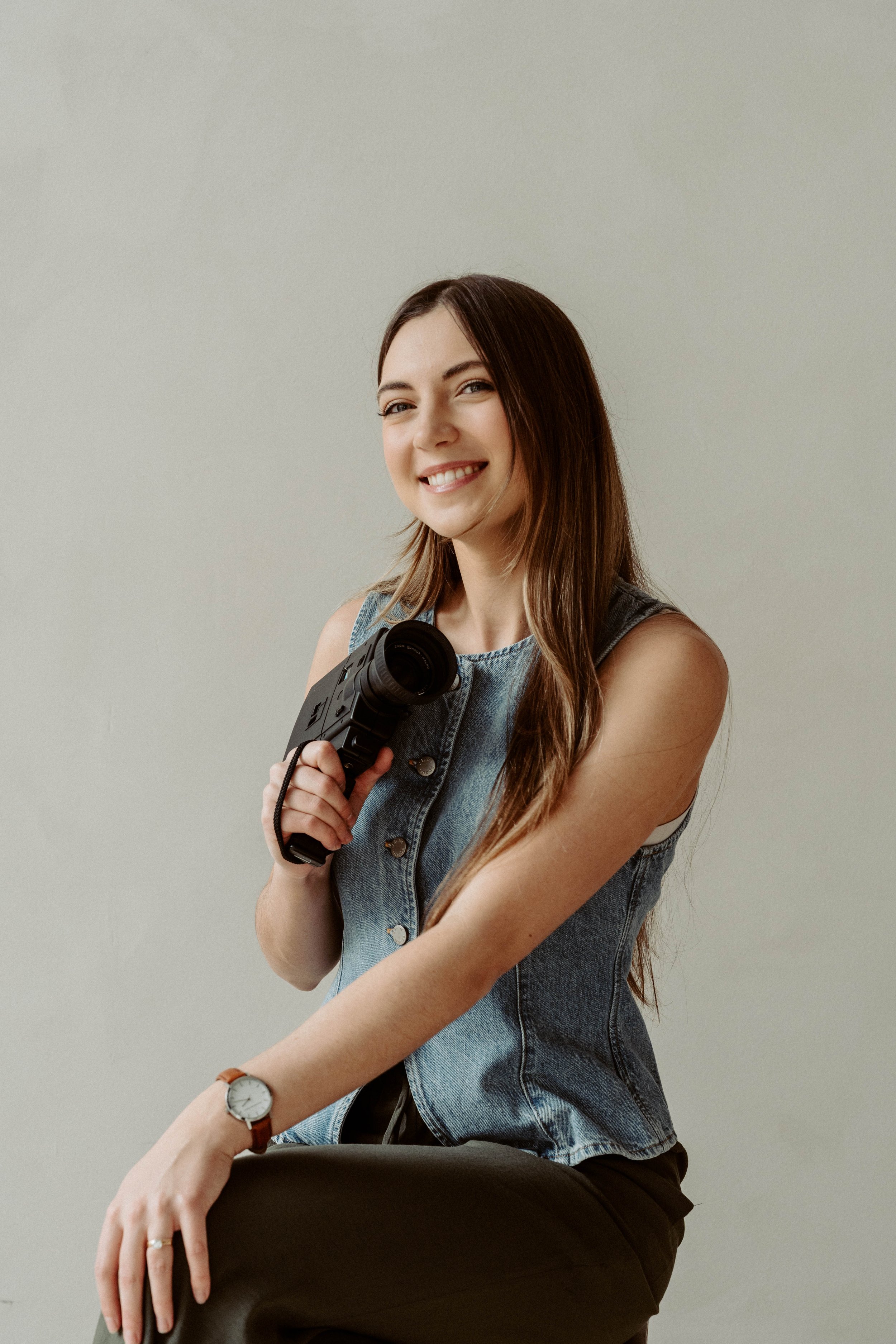
I'm Anika, the photographer and creative director behind Amare Studios. Along with my team, I've spent nearly a decade photographing weddings across Ontario, and after hundreds of them (plus one of my own), I've learned exactly what makes a couple feel comfortable, seen, and genuinely themselves in front of a camera.
My style is documentary at heart with an editorial eye for light. I don't pose you into something that feels foreign, I create the conditions for real moments to happen, and then I catch them.
If that sounds like the kind of photographer and videographer you're looking for, stick around and say hello.